






14
7
From Size Chart to Tolerance A
2026-11-02 09:08:20
0点赞
0收藏
0评论
A fit dispute in character costume OEM rarely begins in the sewing room. It begins with two documents that were never aligned: the buyer's size chart and the factory's pattern. Layered silhouettes, stretch panels, attached trims and accessories make measurement points less obvious than they are on basic apparel. Wholesalers can reduce the risk by treating size as a controlled specification rather than an assumption.
Make the size chart a controlled document
The chart should state whether values describe body measurements or garment measurements. It should define every point of measure, the measuring method, the unit, the base size and the grade increments. Adult and children's ranges need separate tables. Character costumes also require points that general apparel charts often omit: jumpsuit rise, hat circumference, boot-cover height and the placement of attached trim.
Issue the chart with a version number, date and named approver. Both parties should approve the same file before sampling starts. A chart sent as an image without revision control is a reference, not a production specification.
Set tolerances before the first sample
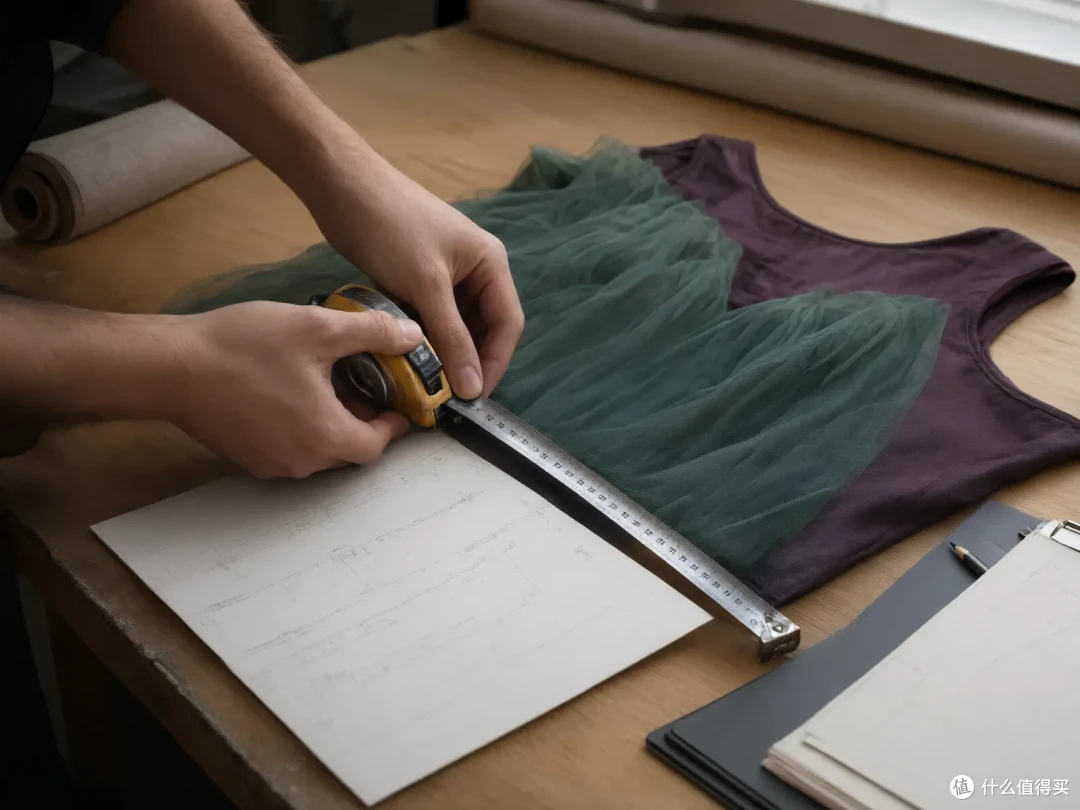
Measurement tolerance should be agreed in writing before sampling. A stable woven waistband and a stretch knit bodice cannot share one blanket allowance. The tolerance table should cover each critical point, symmetry, trim placement and any measurement affected by elasticity.
It should also define the measuring condition: flat or on a form, before or after laundering, and with trims relaxed or extended. Once approved, the table belongs in the purchase order. This prevents a later discussion about whether a 1 cm difference is a defect or normal variation.
Sample the grade, not only the middle size
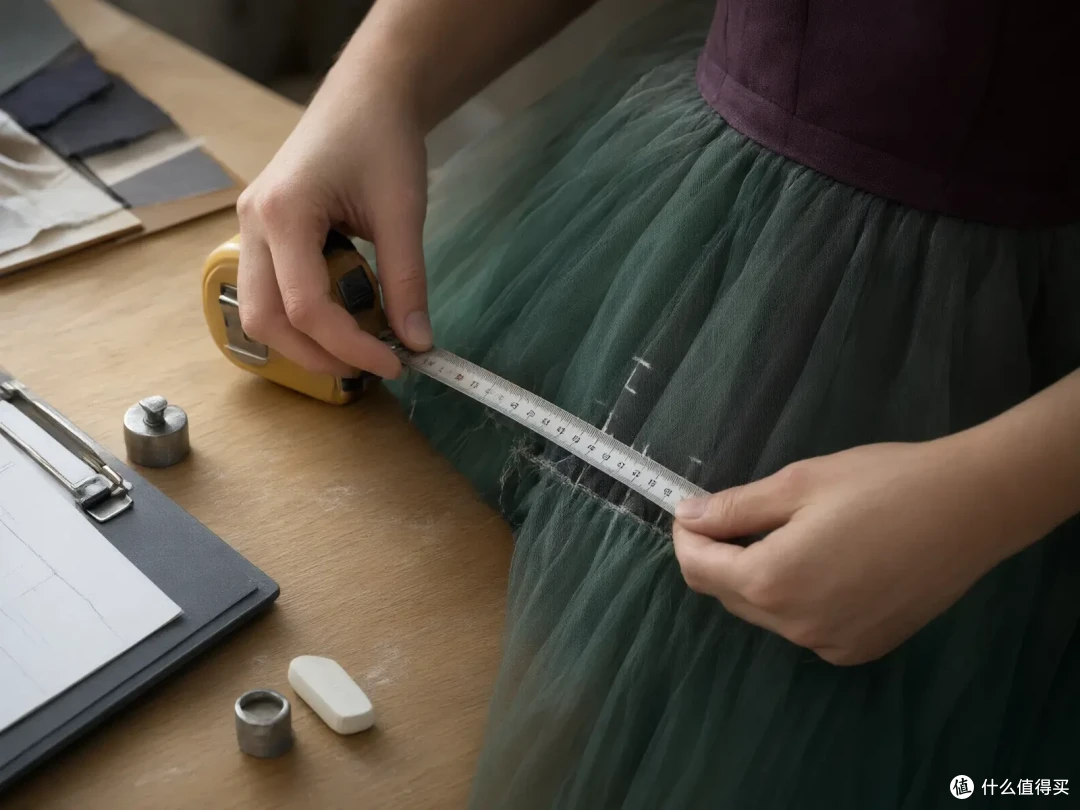
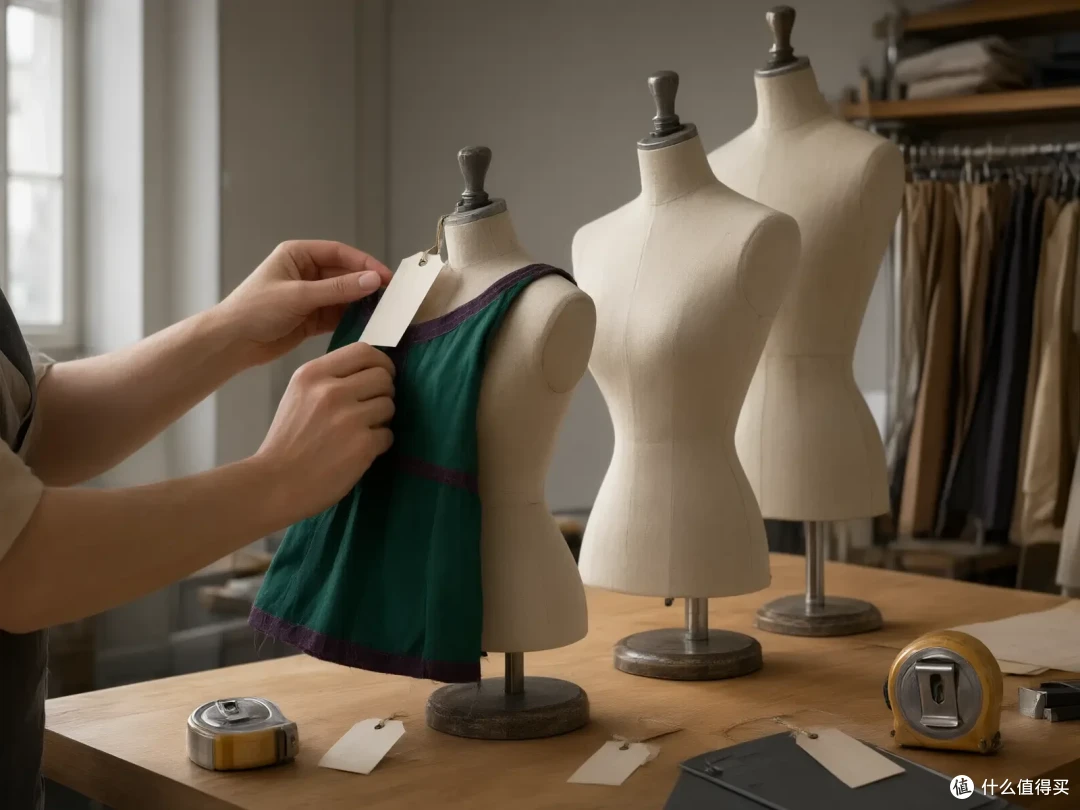
A single medium sample cannot prove that the smallest and largest sizes will fit. Request a size set that includes the base size and the extreme sizes in the grade. Measure each sample against the approved chart and record the actual values. Check grade increments at the chest, waist, hip, inseam and other points that change across sizes.
Seal the approved sample and keep a signed record with both parties. The sealed sample becomes the physical reference for workmanship, measurement method and trim position. Any change to the chart after sealing should trigger a new sample approval.
Inspect against numbers and close the loop
Production checks should use the same points of measure, tools and recording format as sample approval. Out-of-tolerance units should be separated before packing, and the disposition should be agreed in advance: rework, replacement or a written concession. A verbal "close enough" is not a measurement record.
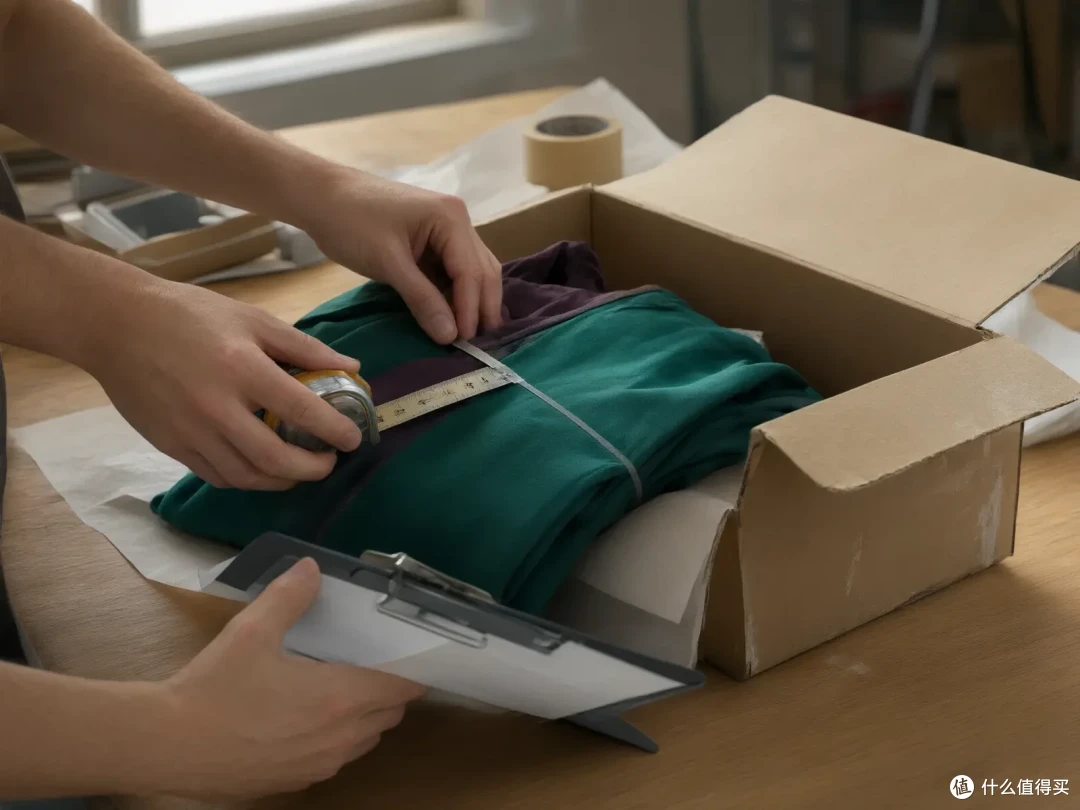
Our OEM/ODM process confirms sizing and tolerances during sampling and includes final inspection before packaging. Those controls depend on one condition: the approved chart remains the only size reference from sampling through inspection.
Size risk is easier to manage when it is documented at four points: an approved chart, a tolerance table, a graded sample and an inspection record. Wholesalers planning a character costume program can send their size chart, target market, reference sample and estimated quantity to request a project-specific quote.