














8
5
英国媒体辣评麦尼塔:为何高端玩家纷纷回归蓝光机?
2026-05-15 17:03:26
0点赞
0收藏
0评论
 图片
图片2026 年 5 月 10 日
来源:Luxfanzine(英国轻奢 / 高端生活方式独立媒体,总部扎根欧美高端影音、奢侈科技圈层)
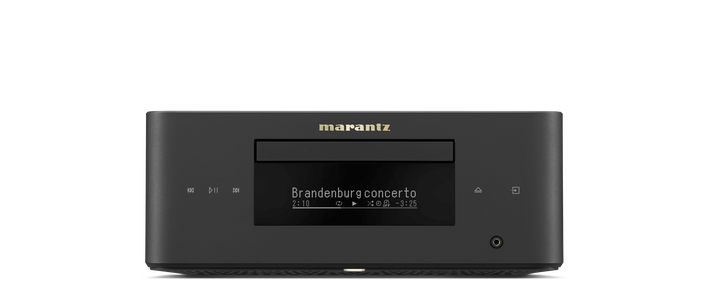
为何麦尼塔Magnetar旗舰级全能播放机,会成为奢侈科技领域最具代表性的反主流文化产物之一?本文将以麦尼塔UDP900MK2 为例,剖析它作为奢侈藏品与影音哲学载体的文化解读。
有些产品专为惊艳宾客而生,而有些产品则意在悄然撼动整个行业。麦尼塔Magnetar UDP900 MK2 无疑属于后者。乍看之下,它的外形似曾相识:一台大型、超高端全能播放机,闯入了一个被主流分析师在第三次流媒体密码管控浪潮中就宣告 “消亡” 的市场。
诚然,从客观角度看,这是一台体型庞大、精密打造的设备,专为极致发挥音质画质而生 ——真正的奢侈产品,往往并非追随技术共识,而是戳破共识背后的思维惰性。
但只要使用麦尼塔UDP900MK2数小时,更有趣的内核便会浮现。这绝非怀旧情结,也不是富裕发烧友按字母整理蓝光碟、注重码率的单纯执念。它更应被视作一次文化纠偏—— 重新校准并提醒人们,奢侈体验从来不该只由便捷性主导。在发展过程中,现代娱乐一边不断降低我们的标准,一边持续上调订阅费用。
2010 年代末至 2020 年代初的奢侈科技,痴迷于打造 “无摩擦生活”:隐形交互界面、云优先生态、即时访问、披着精致外衣的算法便捷。消费者接受了这种交换,因为海量资源令人沉醉。可海量≠卓越。流媒体提供了庞大片库,却同时压缩画质、扁平化音频动态、高峰时段限制码率,甚至因企业私下授权谈判变动,直接下架整个片库。这给消费者抛出了一个尴尬问题:如果访问权限能一夜消失,自始至终能真正“拥有”吗?麦尼塔UDP900MK2的诞生,正是因为越来越多的高端藏家、电影爱好者、专业影音发烧友,对此愈发质疑。
 图片
图片一、影音主权的回归
高端家庭影院文化中,一个极具意义的行为转变,是《Luxfanzine》所称的拥有心理重新兴起 —— 追求恒久的奢侈本能。从腕表、汽车、黑胶、建筑,到如今的影音生态,高净值人群正青睐能抵御数字脆弱性的实体载体。逻辑格外简单:奢侈客户要的不只是 “访问权”,而是 “确定性”。而这,正是流媒体生态无法保证的。
麦尼塔UDP900MK2以毫不妥协的实体形态与无限制性能,重塑这份确定性。超高清蓝光、超级音频 CD(SACD)、DVD 音频、普通 CD、高解析本地文件播放,全部集成于一个以掌控而非依赖为核心的平台。没有算法推荐、没有消失的片库、没有网络流量与艺术表达之间的压缩妥协 —— 只有始终如一的纯净信号。在很多层面,这台设备更像是认真对待消费者的必要基础设备,而非普通消费电子产品。
设计语言与工程底气
初次接触麦尼塔UDP900,会感受到一股令人耳目一新的复古感,因为它拥有许多现代奢侈产品早已抛弃的特质:物理气场 。近35磅(约16kg)的加固机身、分离式模拟与数字线路、厚重屏蔽层、顶级内部架构、专业环形电源,无一不在宣告:工程师没有被成本管控束缚。这一点的重要性远超多数人想象。奢侈科技的心理感知,远早于性能体验;麦尼塔UDP900 的 “贵”,是恰到好处的贵 —— 不是装饰性的贵、潮流化的贵,而是 实力使然的贵 。
它的设计摒弃了当下消费电子界泛滥的浮夸未来感。没有故作创新的多余曲线,没有炫目的 AI 光效符号,没有用极简主义掩盖平庸内核的噱头。取而代之的是 结构质感与权威感 。它不像娱乐配件,更像私人影院里的核心设备,使用者大概率身着定制丝绒晚宴西装,对房间声学有独到见解。
为何厚重组件听起来更 “高级”?
奢侈感知研究反复证实:消费者会潜意识将 重量 与价值、精度、耐用性挂钩。工业心理学家称之为 感官价值偏差 ,这也解释了为何高端机械腕表、豪华车门、高端音响组件,都刻意打造扎实的触感与分量。麦尼塔UDP900MK2的制造商深谙此道。它的重量不只是视觉效果,更切实降低震动、提升屏蔽效果、增强热稳定性、减少共振干扰、优化模拟音频表现。换言之,它做到了奢侈产品中愈发罕见的一点: 情感打动与技术合理性兼具 。
二、不妥协的音画表现
画质表现:不妥协的影院体验
理解麦尼塔UDP900MK2画质的最简单方式,就是彻底放弃与流媒体对比 —— 因为这种对比从一开始就不公平。即便高端流媒体服务,也受制于带宽成本,无论营销如何鼓吹“影院级”“沉浸式”“棚拍级”,流媒体始终是 妥协后的产物 。而碟片播放的惊艳之处,正在于 几乎无妥协 。纹理更清晰、黑位更深邃、动态更流畅、胶片颗粒感自然呈现,而非被数字处理磨平。
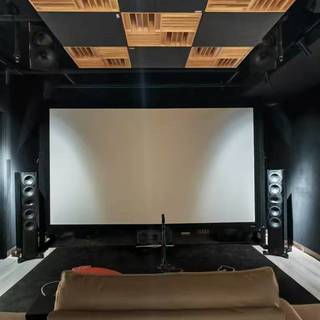
这带来的不只是更好的画质,它重塑的是 影院权威感 —— 电影原本就是为 震撼感官而生,而非与通知消息、不稳定 Wi-Fi 和平共处。搭配专业 OLED 或投影系统,精心制作的 4K 碟片所呈现的规模、氛围、画面严谨性,是流媒体难以稳定复刻的。
 图片
图片
发烧友关注的音频表现
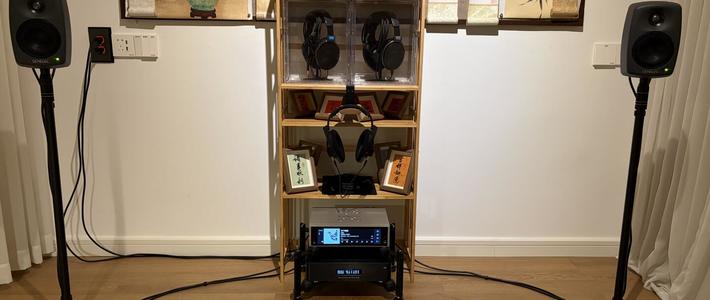
许多奢侈影音产品将音频视为配角,把大部分创新预算花在视觉营销噱头,音频性能只能在工业设计师聊完铝制边框后,分得剩余资源。麦尼塔的理念截然不同。麦尼塔UDP900MK2搭载 ESS DAC 解码、平衡 XLR 输出、隔离式电路、专属立体声优化、强劲供电架构,让它跳出 “高端音源” 范畴,迈向更专业的级别。
它的核心魅力在于全场景适配性 :私人影院、双声道听音室、智能家居架构、混合奢侈娱乐空间都能无缝适配,因为它的设计者坚信:音质本身,比营销话术更重要 。以这个价位而言,这本该是最低要求,但当代消费科技大幅拉低了行业标准,真正的工程诚意反而显得特立独行。
后OPPO 时代的神话
谈及高端全能播放机,无法避开 OPPO蓝光机。对众多发烧友而言,UDP-205 停产之后,近乎封神。二手价格疯涨、专业论坛变成情感交流圈,部分玩家讨论固件更新的热情,堪比文艺复兴学者钻研失传手稿。麦尼塔UDP900 在这样的背景下面临严苛审视,完全可以理解。
麦尼塔的特别之处,在于它不刻意模仿 ,而是以更具架构感的方式,对这一品类进行奢侈化升级。在高端影音圈,硬件的恒久性,远比界面美学更经得起时间考验。没人会把应用菜单装裱起来,但人人都会欣赏精工打造的组件。
三、实体影音重回高端圈层
 图片
图片反一次性奢侈运动
越来越多成熟的奢侈消费者,开始拒绝计划性淘汰 的产品。这一趋势在多个领域显现:机械腕表取代智能手表、自然吸气超跑车抗衡软件定义驾驶工具、手工家具抵制快消家装、典藏黑胶在情感共鸣上胜过算法歌单。麦尼塔播放机完美契合这一潮流,因为它的魅力并非源于复古迷恋,而是 对一次性消费的反抗 。
奢侈买家逐渐意识到: 恒久本身,已成奢侈追求 。现代数字文化不断更新,却愈发短暂。而麦尼塔UDP900 提供了截然相反的情感价值:稳定。
实体影音的复兴,本质上不是怀旧,而是对“披着创新外衣的短暂性”的早期反抗。
实体影音为何重回高端圈层
讽刺的是,流媒体的全面垄断,反而让实体影音比商业巅峰期更具文化魅力。当“拥有” 变得稀缺,刻意收藏便成为品味的象征。2026 年,精心整理的碟片库,代表着耐心、专业认知、对品质的情感投入,更重要的是 —— 脱离便捷文化的独立 。在诸多奢侈圈层中,这种独立正具备越来越高的社交与心理价值。
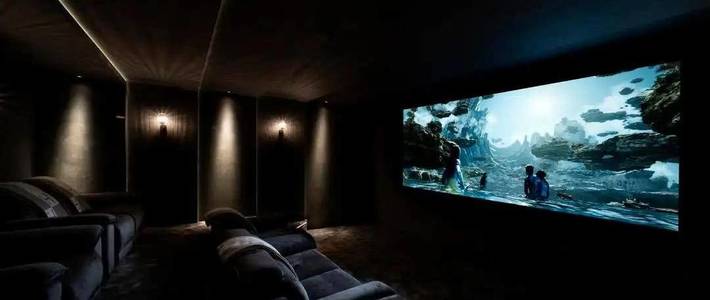
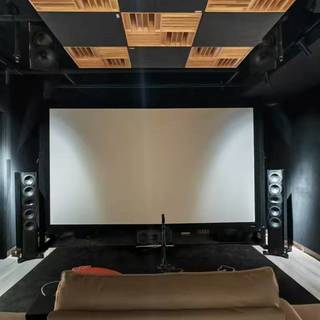
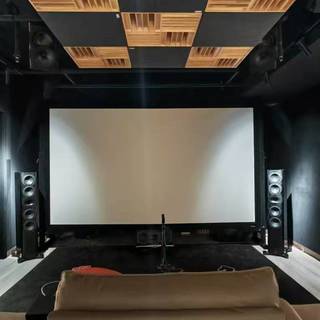
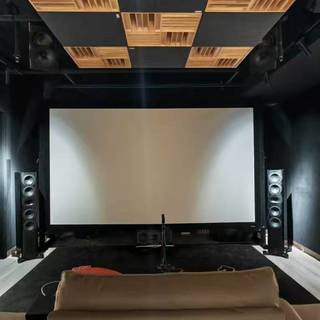
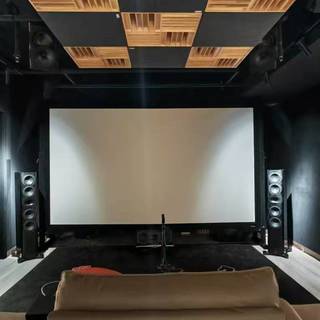
高端私人影院尤为如此:整个体验正从被动娱乐,转向 沉浸式仪式 。主动选片、手持实体碟片、调暗灯光、将观影当作一场仪式而非背景音,彻底改变了观看心态。麦尼塔UDP900 完美适配这种场景,因为它强化了 仪式感与主动性 ,让观众参与其中,而非单纯消费。在校准到位的放映室里,实体碟片带来的无间断影院沉浸感,会让你直观感受到这种差异。
 图片
图片高端娱乐的仪式经济
奢侈从来都与仪式感密不可分。机械腕表客观上不如手机便捷,三角钢琴不如数字播放高效,定制西装需要快时尚无需的保养。但仪式感赋予情感重量,这正是奢侈与普通消费的核心区别。麦尼塔旗舰机同样融入这套仪式经济:打开精心制作的 4K 碟片、翻阅精致包装、选择参考级播放设置、在片方logo出现前静待房间安静,这份期待感,被流媒体的无限滚动架构彻底摧毁。
这也是高端家庭影院文化,越来越像精致餐饮、胶片摄影,而非主流娱乐消费的原因。价值不仅在于 保真 ,更在于 主动投入 。奢侈消费者发现:无限制的便捷,往往削弱情感冲击。这类播放机通过 有选择、有意义的适度 “麻烦” ,抵消这种效应 —— 不是令人烦躁的阻碍,而是赋予价值的仪式。
四、为何麦尼塔如今愈发不可或缺
理论上,在算法娱乐主导的时代推出旗舰碟机,看似荒谬过时。但它反而显得超前 ,因为整个奢侈文化正远离极度易逝的数字体验。从建筑、时尚、汽车设计、酒店到个人科技,高端消费者越来越看重长久、工艺、自主、恒久,麦尼塔UDP900MK2完全契合这些需求。
与此同时,许多消费者开始意识到:便捷性早已陷入边际效益递减 。普通流媒体界面不再新潮,反而显得廉价、令人疲惫。推荐算法把探索变成重复的行为循环,片库根据用户看不见的授权数据频繁变动。在这种环境下,实体影音不再复古,反而代表主权 。
恒久的尊贵感
它最大的优势,或许是做到了现代科技极少重视的奢侈核心:可靠 。不是噱头式创新,不是披着生活方式外衣的生态绑定,就是可靠。放入碟片,即刻呈现参考级体验,不受宽带拥堵、云服务故障、软件弃用、订阅调整影响。在即便购买的数字内容也可能无故消失的时代,可靠本身,已成情感奢侈 。
这也解释了为何用户常以极具个人情感的语言形容 麦尼塔UDP900MK2。他们不把它当作冰冷硬件,而是 信心、安心、掌控、沉浸 的象征。它不再是一件 小工具,而是精心打造的娱乐空间里的恒久核心。能跨越文化变迁的奢侈物件,往往都完成了从产品到可靠伙伴的转变。
 图片
图片五、家庭影院新科学
麦尼塔UDP900MK2的文化魅力,在于它无意间揭露了现代奢侈科技的矛盾。多年来,行业将“去实体化”包装为进步:更少实物、更少线材、更少格式、更少主动交互。可许多高端消费者重新发现:消除摩擦的同时,也抹去了依恋、仪式与恒久。这台设备逆转了这一趋势。
麦尼塔UDP900MK2的真正内核由此诞生:它不是对高端碟机的追捧,而是更广泛的技术意向性哲学 —— 高端体验应当扎根、可靠、有触感、真正拥有,而非通过脆弱生态隐形租赁。麦尼塔UDP900MK2的成功,在于它理解奢侈最终是 情感根基:不止是参数,更是守护体验不被侵蚀。
从这个角度看,麦尼塔或许无意间打造了 后流媒体时代最具代表性的奢侈科技产品之一。它不拒绝现代性,而是选择性摒弃现代数字文化最糟糕的预设。麦尼塔UDP900MK2不与流媒体比拼便捷,而是抗衡它的短暂易逝。
这份区别,比消费电子行业意识到的更重要。
写在最后:麦尼塔UDP900 MK2的最终成功,在于它记起了现代科技在追逐“全便捷”途中遗忘的真理: 便捷≠奢侈。恒久才是。仪式才是。拥有才是。
这些特质,远比又一个订阅服务更具未来感。没有生态焦虑、没有订阅疲劳、不依赖千里之外董事会里的授权谈判。放入碟片,按下播放,感受极致。这套简单的动作,如今竟显得如此超前。
这意味着,麦尼塔UDP900MK2或许不止关乎一台蓝光机,而是一场更广泛文化纠偏的开端 —— 高端消费者不再把临时访问 ,混淆为真正拥有 。
如此,“不起眼”的碟片,或将迎来数字时代最意想不到的奢侈回归。
了解更多:https://magnetar-audio.com/
附:原文
Introducing UDP900-ology: The emerging science of media you actually own
10 May 2026 Luxfanzine
…why Magnetar’s flagship universal player has become one of luxury technology’s most important counterculture objects, a case study in the cultural interpretation of the UDP900 as both a luxury artefact and a device for media philosophy.
There are products designed to impress guests, and then there are products designed to quietly humiliate an entire industry. The Magnetar UDP900 MKII belongs firmly in the second category. At first glance, it appears deceptively familiar: a large, ultra-premium universal disc player entering a market most mainstream analysts declared dead sometime around the third streaming password crackdown.
Yes, objectively speaking, this is an enormous precision-engineered machine dedicated to extracting maximum performance from reflective silver discs – a category many Silicon Valley strategists confidently assumed would vanish sometime between the death of the shopping mall and the rise of algorithmic playlists. That is precisely why the UDP900 feels culturally significant. Truly luxury products often emerge not by following technological consensus, but by revealing where consensus became intellectually lazy.
Yet spend even a few hours with the UDP900 and something more interesting begins to emerge. This is not nostalgia, nor is it merely an audiophile indulgence for wealthy men who alphabetise Blu-rays while muttering about bitrates. It is better understood as a cultural correction – a recalibration and a reminder that the luxury experience was never supposed to be governed by convenience alone. Somewhere along the way, modern entertainment steadily lowered our standards while simultaneously increasing subscription fees, which is, in fairness, quite an achievement.
Luxury technology throughout the late 2010s and early 2020s became obsessed with frictionless living: invisible interfaces, cloud-first ecosystems, instant access, and algorithmic convenience masquerading as sophistication. Consumers accepted the trade because abundance felt intoxicating. Yet abundance is not the same thing as excellence. Streaming gave audiences enormous libraries while simultaneously compressing image quality, flattening audio dynamics, throttling bitrate during peak hours, and occasionally deleting entire catalogues because licensing negotiations shifted behind closed corporate doors. This introduces an awkward question for luxury consumers: if access can disappear overnight, was it ever ownership to begin with? The UDP900 exists because an increasing number of affluent collectors, cineastes, and serious AV enthusiasts have started answering that question with growing scepticism.
The Return of Media Sovereignty
One of the more fascinating behavioural shifts inside elite home cinema culture is the re-emergence of what Luxfanzine calls Ownership Psychology – the luxury instinct toward permanence. Across watches, automobiles, vinyl, architecture, and now media ecosystems, high-net-worth buyers are gravitating toward objects that resist digital fragility. The logic is surprisingly simple: luxury clients do not merely want access; they want certainty. And certainty is precisely what streaming ecosystems cannot guarantee.
The UDP900 restores that certainty through unapologetic physicality and unrestricted capability. Ultra HD Blu-ray, SACD, DVD-Audio, CD, and high-resolution local file playback all coexist within a platform engineered around control rather than dependency. No algorithmic curation, no disappearing catalogues, no compression negotiations between internet traffic and artistic intent – simply signal purity delivered with remarkable consistency. In many ways, the machine feels less like a consumer electronics product and more like foundational equipment for people who still take entertainment seriously.
Design Language and Engineered Confidence
The first encounter with the UDP900 is refreshingly old-fashioned because it possesses something many modern luxury products have abandoned: physical authority. Nearly 35 pounds of reinforced chassis construction, separated analog and digital pathways, substantial shielding, premium internal architecture, and a serious toroidal power supply immediately communicate that accountants were not permitted to dominate the engineering process. This matters more than many realise. Luxury technology communicates psychologically long before performance begins, and the UDP900 feels expensive in the correct way – not decorative-expensive or fashion-expensive, but competence-expensive.
Its design language avoids the hyperactive futurism currently infecting large parts of consumer electronics. There are no unnecessary curves pretending to be innovation, no glowing AI hieroglyphics, and no theatrical minimalism disguising mediocre internals. Instead, it projects structural authority. It feels less like an entertainment accessory and more like critical equipment inside a private screening facility belonging to somebody who almost certainly owns tailored velvet dinner jackets and has opinions about room acoustics.
Why Heavy Components Sound More Expensive
Luxury perception studies consistently demonstrate that consumers subconsciously associate weight with value, precision, and durability. Industrial psychologists sometimes describe this phenomenon as sensorial valuation bias, which helps explain why premium mechanical watches, luxury car doors, and high-end audio components are deliberately engineered with tactile density. The makers of UDP900 understands this instinct perfectly. Its physical mass is not merely structural theatre; it contributes meaningfully to reduced vibration, improved shielding, enhanced thermal stability, lower resonance interaction, and cleaner analog performance. In other words, it accomplishes the increasingly rare luxury trick of being both emotionally persuasive and technically justified.
Video Performance and Cinema Without Negotiation
The easiest way to understand the UDP900’s visual performance is to stop comparing it to streaming platforms altogether because the comparison rapidly becomes unfair. Even premium streaming services remain constrained by bandwidth economics, regardless of how aggressively marketing departments deploy terms like cinematic, immersive, or studio-quality. Streamed media remains a managed compromise. Disc playback here feels startling precisely because compromise largely disappears. Textures stabilise, black levels deepen, motion regains composure, and grain structure once again appears intentional rather than digitally softened into oblivion.
The result is not merely better image quality. That phrase undersells the experience entirely. What it restores is cinematic authority – the sense that films were originally engineered to overwhelm human senses rather than politely coexist beside incoming notifications and intermittent Wi‑Fi stability. Viewed through a serious OLED or projection system, properly mastered 4K discs regain scale, atmosphere, and visual discipline in ways streaming still struggles to replicate consistently.
The Audiophile Question
Many luxury AV products continue to treat audio as secondary, often allocating the majority of their innovation budget toward visual marketing theatrics while sonic performance receives whatever remains after industrial designers finish discussing aluminium edge profiles. Magnetar takes a very different position. The UDP900’s ESS DAC implementation, balanced XLR outputs, isolated circuitry, dedicated stereo optimisation, and substantial power architecture collectively push it beyond “high-end source component” territory into something considerably more serious.
What makes it especially compelling is its versatility across environments. It moves fluidly between private cinemas, dedicated two-channel listening rooms, architectural smart-home installations, and hybrid luxury entertainment spaces because it was clearly engineered by people who still believe sound quality matters independently from marketing language. That should perhaps be the minimum expectation at this price point, but contemporary consumer technology has lowered expectations so dramatically that genuine engineering integrity now feels almost rebellious.
The Oppo Shadow
No discussion of elite universal players can avoid mentioning Oppo Digital. For many enthusiasts, the UDP-205 achieved near-mythological status following its discontinuation. Used prices became irrational, specialist forums became emotional support groups, and certain owners began discussing firmware updates with the intensity of Renaissance scholars debating lost manuscripts. The UDP900 enters this landscape under intense scrutiny, which is entirely understandable.
What makes Magnetar particularly interesting is that it does not attempt simple imitation. Instead, it modernises the category with a more architectural approach to luxury execution. The software experience may still lack some of Oppo’s legendary polish, but the hardware ambition is unmistakable. And in elite AV circles, hardware permanence usually ages more gracefully than interface aesthetics. Nobody frames an app menu. People absolutely admire beautifully engineered components.
The Anti-Disposable Luxury Movement
Increasingly, sophisticated luxury consumers are rejecting products designed around planned obsolescence. This shift is becoming visible across multiple categories: mechanical watches replacing smartwatches, naturally aspirated supercars surviving against software-defined driving appliances, handcrafted furniture resisting rapid-cycle interiors, and archival vinyl outperforming algorithmic playlists in emotional engagement. Magnetar’s player fits naturally within this movement because its appeal is not rooted in retro fetishism. What drives it is resistance to disposability.
Luxury buyers are beginning to recognise that permanence itself has become aspirational. Modern digital culture updates constantly yet somehow feels increasingly temporary. This one offers the opposite emotional proposition: stability.
The physical media revival, looked at clearly, is less nostalgia than an early rebellion against impermanence dressed up as innovation.
Why Physical Media Became Elite Again
Ironically, streaming’s total domination may have elevated physical media into something far more culturally interesting than it was during its commercial peak. Once ownership becomes uncommon, intentional collecting begins signalling discernment. A carefully curated disc library in 2026 communicates patience, technical awareness, emotional investment in quality, and perhaps most importantly, independence from convenience culture. In many luxury circles, that independence increasingly carries social and psychological value.
This is particularly true inside high-end private cinema environments where the entire experience is shifting away from passive entertainment and toward immersive ritual. The deliberate act of selecting a film, handling physical media, dimming lights, and engaging with a film as an event rather than background stimulus changes the psychology of viewing entirely. The UDP900 thrives in this environment because it reinforces intentionality. The idea is to invite the viewer to participate rather than merely consume. The difference becomes visceral the first time one experiences a properly calibrated screening room where physical media reminds you what uninterrupted cinematic immersion actually feels like.
The Ritual Economy of High-End Entertainment
Luxury has always depended partly on ritual. The mechanical watch is objectively less convenient than a smartphone. A grand piano is less efficient than digital playback. A bespoke suit requires maintenance that fast fashion never demands. Yet ritual introduces emotional gravity, and that weight is often what separates luxury from mere consumption. Magnetar’s flagship participates in this same ritual economy. Opening a beautifully mastered 4K release, navigating premium packaging, selecting reference playback settings, and hearing a room settle into silence before the studio logo appears creates anticipation that streaming’s infinite-scroll architecture systematically destroys.
This is why elite home cinema culture increasingly resembles fine dining or analogue photography rather than mainstream entertainment consumption. The value lies not only in fidelity, but in intentional engagement. Luxury consumers are discovering that unlimited convenience frequently diminishes emotional impact. A player like this counters that phenomenon by reintroducing friction selectively and intelligently. Not frustrating friction. Meaningful friction.
Why the UDP900 Feels More Relevant Than Ever
On paper, a flagship disc player launching in the middle of algorithmic entertainment dominance should feel absurdly anachronistic. Instead, it feels strangely ahead of its time because broader luxury culture is beginning to move away from hyper-disposable digital experiences. Across architecture, fashion, automotive design, hospitality, and personal technology, affluent consumers are increasingly rewarding longevity, craftsmanship, autonomy, and permanence. The UDP900 aligns perfectly with these instincts.
It also arrives during a period where many consumers are starting to realise that convenience reached diminishing returns years ago. The average streaming interface no longer feels futuristic; it feels disposable and exhausting. Recommendation engines increasingly flatten discovery into repetitive behavioural loops while content libraries rotate according to licensing mathematics invisible to the viewer. Under those conditions, physical media stops looking old-fashioned and starts looking sovereign.
The Prestige of Permanence
Perhaps its greatest strength is that it performs a luxury function modern technology rarely prioritises anymore: reliability. Not innovation theatre. Not ecosystem lock-in disguised as lifestyle integration. Reliability. Insert a disc and the experience simply works at reference quality, independent of broadband congestion, cloud outages, software deprecation, or subscription restructuring. In an era where even purchased digital content can disappear without warning, reliability itself has become emotionally luxurious.
This partially explains why owners often describe the UDP900 with unusually personal language. They do not discuss it merely as hardware. They describe confidence, reassurance, control, and immersion. The player becomes less comparable to a gadget and more comparable to a permanent fixture inside a carefully assembled entertainment environment. Luxury objects that survive cultural shifts usually achieve precisely this transition from product into trusted utility.
The New Science of Home Cinema
What makes the UDP900 culturally fascinating is that it unintentionally exposes a contradiction inside modern luxury technology. For years, the industry promised dematerialisation as progress: fewer physical objects, fewer cables, fewer formats, fewer deliberate interactions. Yet many affluent consumers are now rediscovering that removing friction also removed attachment, ceremony, and permanence. This machine reverses that trajectory.
This is where UDP900-ology truly begins: not as fandom for a premium disc player, but as a broader philosophy of technological intentionality. The idea that premium experiences should feel anchored, reliable, sensory, and owned rather than rented invisibly through fragile ecosystems. The UDP900 succeeds because it understands that luxury is ultimately an emotional foundation. It is not merely about specifications; it is about preserving experiences against erosion.
In that sense, Magnetar may have accidentally created one of the defining luxury technology products of the post-streaming era. Not because it rejects modernity, but because it selectively rejects the worst assumptions of modern digital culture. The UDP900 does not compete with streaming convenience. It competes with streaming impermanence.
And that distinction matters more than the consumer electronics industry probably realises.
The UDP900 MKII ultimately succeeds because it understands something modern technology forgot somewhere during the race toward frictionless everything: convenience alone is not luxury. Permanence is. Ritual is. Ownership is.
Increasingly, those qualities feel far more futuristic than another subscription. No ecosystem anxiety, no subscription fatigue, no dependence on licensing negotiations taking place inside boardrooms thousands of miles away. Insert disc. Press play. Experience excellence. It is remarkable how radical that sequence suddenly feels.
Which means our UDP900-ology may turn out to be less about a disc player and more about the beginning of the science of a broader cultural correction – one where affluent consumers stop confusing temporary access with meaningful possession.
And if that happens, the humble silver disc may achieve the most unexpected luxury comeback of the entire digital age.