报价从几千到几十万,动态成片到底怎么定价?从业者说出行业真相
08-18 11:11
精选参考来源

网络用户 2026-03-26

惠享微生活_维修小知识 2026-08-14
来自今日头条来源
精选参考来源
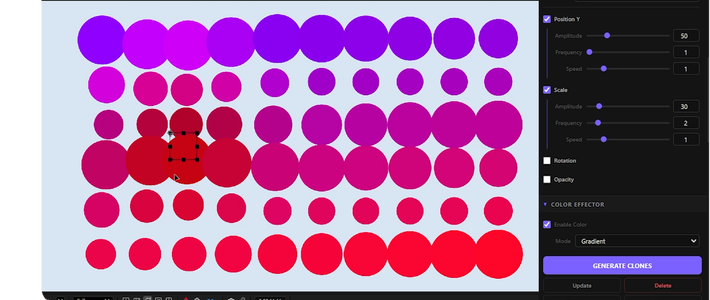
1. # # How to Price Your Motion Design Work in 2026 (Without Underselling Yourself) _Creovanta - 2026-03-26_ If you've ever sent a quote and immediately thought "I should've charged more", this one's for you. Pricing motion design is part math, part confidence, and part knowing what the market actually pays. Here's a no-fluff breakdown of what to charge in 2026, how to structure your quotes, and where the money actually is. ## Know the Market Rates Before you price anything, know where you sit: | Experience | Hourly Rate | Day Rate | |-----------|-------------|----------| | Junior (0-2 years) | $30-50 | ~$350 | | Mid-level (3-5 years) | $50-80 | $500-650 | | Senior (6+ years) | $80-120 | $750-1,000 | | Specialist (3D, sims) | $150+ | $1,500 | These are US freelance rates. European rates tend to be 30-40% lower, Asian markets 60-70% lower. Adjust based on your location -- but don't price yourself into the ground just because of geography. Remote work means you're competing globally. ## Price by Project, Not by Hour Clients don't care how long it takes you. They care what they get. Here's what the market pays for common deliverables: - **Logo animation:** $500-1,500 - **Social media clips (10-30s):** $1,000-2,500 - **Explainer video (1-2 min):** $3,500-10,000 - **SaaS product demo:** $3,000-10,000+ - **3D product visualization:** $7,500-9,000 The per-finished-minute benchmark: **$4,000-8,500 for 2D**, **$5,000-9,500 for 3D**. If a client asks for a 60-second explainer and you quote $1,500 -- you're leaving money on the table. ## Where the Real Money Is The biggest pricing mistake motion designers make isn't charging too little per hour. It's spending too much time on things that should take minutes. Think about it: a client pays $5,000 for a 60-second SaaS demo. If you spend 40 hours on it, that's $125/hr. Not bad. But if you spend 60 hours because you manually duplicated and positioned 50 shape layers for a grid animation? That's $83/hr -- and 20 of those hours were pure grunt work. This is where your toolset directly impacts your income. Complex-looking effects like animated grids, fractal patterns, or reactive particle layouts can take hours to build manually -- or minutes with the right setup. Tools like [Clonr](https://creovanta.com/plugins/clonr) let you generate MoGraph-style clone arrays with wave effectors, color gradients, and attractor animations in a few clicks. That 3D radial burst your client wants as a background? That's a 2-minute job, not a 2-hour job. And when it takes you 2 minutes, you can offer it as an upsell: "I can add an animated background element for $300 more." Easy yes from the client, pure profit for you. The faster you produce high-quality work, the higher your effective hourly rate becomes -- even at the same project price. ## The 50% Rule School of Motion's golden rule: **half your gross income goes to business expenses.** Taxes, software subscriptions, insurance, retirement, hardware. So if you need to take home $80,000/year, you need to gross $160,000. At $80/hr, that's 2,000 billable hours -- about 40 hours/week with zero downtime. More realistically, aim for 25-30 billable hours/week and price accordingly. ## How to Actually Quote a Project Break every project into three phases: 1. **Pre-production** (20-30% of total) -- Script, storyboard, style frames, client calls 2. **Production** (40-50%) -- Design, animation, compositing 3. **Post-production** (20-30%) -- Sound, revisions, final delivery Estimate hours for each, multiply by your rate, then add a **revision buffer**. Revisions eat up to 12% of your budget on average -- and late-stage changes can add 30%. Include a clear revision policy in every quote: "This quote includes 2 rounds of revisions. Additional rounds billed at $X/hr." This alone will save you from scope creep. ## Trends Shaping 2026 Pricing **AI hasn't driven prices down.** If anything, designers who use AI tools effectively are commanding 15-30% premiums. The value has shifted from "can you animate this" to "can you direct, refine, and tell a story with this." Production speed increased, but creative direction is still human. **Retainer models are growing.** Companies need ongoing content -- weekly social clips, monthly product updates, quarterly campaigns. Monthly retainers ($2,500-12,000/month) provide stable income and eliminate the feast-or-famine freelance cycle. **SaaS video demand keeps climbing.** 93% of video marketers say video increases brand awareness, and every startup needs a product demo. If you can produce polished SaaS demos efficiently, there's no shortage of work. ## The One Rule That Changed Everything State your rate and stop talking. "This project will be $6,000." Then silence. Don't justify, don't apologize, don't ask what their budget is. Confidence in pricing has zero correlation with talent level but massive correlation with what you actually get paid. If you lose a client over price, you were going to lose money working with them anyway. The clients who push back hardest on pricing are the same ones who request 7 rounds of revisions and take 3 weeks to give feedback. Price for the clients you want. The rest will find someone else -- and that's fine. [Read on Creovanta](https://creovanta.com/blog/how-to-price-your-motion-design-work-in-2026-without-underselling-yourself)

2026-03-26 00:00:00
2. 企业短视频在线制作报价单上最容易漏掉哪三项费用?

今日头条 2026-08-14 00:00:00
3. Motion Graphics Pricing 2026: What to Actually Pay
Increditors 2026-07-26 00:00:00
4. 6万元预算做工业动画:郑州一家三维动画公司的成本控制实战

网易 2026-08-13 00:00:00
5. Freelance vs. Agency Design Pricing: What You Actually Get
2026-06-13 00:00:00
6. 动效设计师就业前景
猎聘 2026-08-13 00:00:00
7. AniShort vs 其他AI漫剧平台:功能、价格、效果实测对比
今日头条 2026-06-05 00:00:00
8. 2026高潜之选:专业的建筑动画/动画工厂怎么选
国脉电子政务网 2026-04-09 00:00:00
9. AI动效辅助行业营销设计
站酷ZCOOL 2026-07-09 00:00:00
10. 揭秘不同档次动态UI设计报价,从入门级到高端定制,价格透明解析
云原生实践 2026-08-03 00:00:00
11. 揭秘不同平台动态UI设计收费标准,助你理性选择!
云原生实践 2026-08-03 00:00:00
12. 3D Artist & Animator Freelance Rates in 2026
BizToolKit 2026-06-12 00:00:00
13. How Much Does Animation Cost? Complete Price Guide
TruScribe 2026-07-22 00:00:00
14. AI Animation vs Traditional Animation Costs: A Practical Buyer's Guide
2026-05-23 00:00:00
15. 三维动画制作性价比对比参考 明确报价避免隐形消费
今日头条 2026-08-01 00:00:00
16. UI设计收费标准(2025版,附交互设计报价).docx-原创力文档
原创力文档 2026-03-06 00:00:00
17. UI_UX设计收费标准(行业参考版).docx-原创力文档
原创力文档 2026-03-05 00:00:00
18. 如何选择长图设计服务
2026-03-29 00:00:00
19. The Freelance Designer's Pricing Guide for 2026
2026-04-01 00:00:00
20. 从6万到5.8万:一家郑州三维动画公司的成本控制实战故事
网易 2026-08-08 00:00:00
21. 2026年上半年宁夏产品动画演示,动画配音配乐公司好评推荐
中国采购与招标网 2026-06-07 00:00:00
22. 工业三维动画制作成本怎么控?安徽尚格创意给你说透
今日头条 2026-08-10 00:00:00
23. 花小钱办大事:郑州一家三维动画公司的成本控制故事
网易 2026-08-05 00:00:00
24. 2026年三维动画成本控制实践:以郑州威扬影视的预算分配方案为例
今日头条 2026-08-11 00:00:00
25. What does AI prompt artistry cost?
2026-07-07 00:00:00
26. 2026年有实力的AI视频制作、AI产品视频企业深度评测:哪些公司值得选择?——专业数据驱动的行业指南
国脉电子政务网 2026-07-25 00:00:00
27. Fiverr 接动态设计海外单能赚多少?一天报价 500 美元拆解

哔哩哔哩 2026-07-06 00:00:00
28. Fiverr接动态单中高级一天报价500到800美元

微信公众号 2026-06-24 00:00:00
29. 2026年logo设计趋势与案例解析 ▌案例类型 行业适配性:科技类logo偏爱动态极简风,互联节点与几何网格等元素完美匹配云基建和AI等抽象业务;餐饮类倾向具象表达,如茶饮搭配炸鸡的图形组合,直接传递产品特性。传统行业常融合文化符号,像龙形与字母的创意结合,突出行业基因。 创意表现:字母艺术化处理是常用手法,线条流动感能精准传递行业特质;品牌名解构重组可展现企业转型;自然元素图形化既提升辨识度,又暗喻品牌理念。这些技巧兼顾视觉冲击与内涵深度。 色彩运用:蓝色渐变是科技企业首选,传递专业与信赖;餐饮品牌钟情高饱和色系,绿色调强调天然属性;金属色提升高端商务感。色彩选择必须精准匹配行业特性与品牌定位。 ▌设计趋势 -2026流行元素:动态标识成为标配,滑动与旋转等交互手法强化记忆点;极简主义升级为功能几何与负空间运用;互联图案隐喻数字化特性;渐变尾迹设计暗示持续活动状态;字体处理趋向圆润化,平衡专业与亲和力。 极简vs复杂:科技领域以极简为主导,确保多端适配性;传统行业保留文化细节符号;动态技术让简约图形获得丰富表达。核心在于根据行业属性找到最佳平衡点。 动态应用:从logo变形到辅助图形动画,动态化覆盖品牌全场景。微动效激活静态标识,成为技术品牌"生态适配"的关键指标。动态设计已从视觉效果升级为品牌语言。 ▌成本方案 DIY工具:平台提供海量模板,基础功能支持自定义调整,但动态效果通常需付费解锁。极简设计门槛较低,适合初创团队尝试,但需警惕版权风险。 外包价格:专业动态设计报价较高,涉及多阶段动画制作;静态设计分档明显,国际化案例属中高端;基础餐饮类设计价格适中,但需额外考虑字体授权费用。 版权风险:免费素材多含使用限制,商用需购买授权;外包设计需明确著作权条款;字体与图形二次创作易引发侵权。品牌升级时还需关注商标续展等法律细节。

百度 2026-04-25 00:00:00
30. 独立设计师怎么定价?2026年设计行业定价全景分析
今日头条 2026-04-22 00:00:00
31. 3D打印鞋开始爆火,设计服务商来了
微信公众号 2026-05-18 00:00:00
32. 喝点VC|a16z合伙人分享AI产品定价干货:AI价格战没有赢家;与其压低价格,不如抬高价值
微信公众号 2026-05-04 00:00:00
33. AI 是设计工具的顺风还是逆风?
微信公众号 2026-07-25 00:00:00
34. 【设计资源】别再让 AI 给你生成土味前端了:10 个值得收藏的 UI 动效灵感站
微信公众号 2026-06-26 00:00:00
35. UI设计师作品集动效怎么选?用seedance2.0生成APP演示视频教程
今日头条 2026-06-28 00:00:00
36. # # How to Price Your Motion Design Work in 2026 (Without Underselling Yourself) _Creovanta - 2026-03-26_ If you've ever sent a quote and immediately thought "I should've charged more", this one's for you. Pricing motion design is part math, part confidence, and part knowing what the market actually pays. Here's a no-fluff breakdown of what to charge in 2026, how to structure your quotes, and where the money actually is. ## Know the Market Rates Before you price anything, know where you sit: | Experience | Hourly Rate | Day Rate | |-----------|-------------|----------| | Junior (0-2 years) | $30-50 | ~$350 | | Mid-level (3-5 years) | $50-80 | $500-650 | | Senior (6+ years) | $80-120 | $750-1,000 | | Specialist (3D, sims) | $150+ | $1,500 | These are US freelance rates. European rates tend to be 30-40% lower, Asian markets 60-70% lower. Adjust based on your location -- but don't price yourself into the ground just because of geography. Remote work means you're competing globally. ## Price by Project, Not by Hour Clients don't care how long it takes you. They care what they get. Here's what the market pays for common deliverables: - **Logo animation:** $500-1,500 - **Social media clips (10-30s):** $1,000-2,500 - **Explainer video (1-2 min):** $3,500-10,000 - **SaaS product demo:** $3,000-10,000+ - **3D product visualization:** $7,500-9,000 The per-finished-minute benchmark: **$4,000-8,500 for 2D**, **$5,000-9,500 for 3D**. If a client asks for a 60-second explainer and you quote $1,500 -- you're leaving money on the table. ## Where the Real Money Is The biggest pricing mistake motion designers make isn't charging too little per hour. It's spending too much time on things that should take minutes. Think about it: a client pays $5,000 for a 60-second SaaS demo. If you spend 40 hours on it, that's $125/hr. Not bad. But if you spend 60 hours because you manually duplicated and positioned 50 shape layers for a grid animation? That's $83/hr -- and 20 of those hours were pure grunt work. This is where your toolset directly impacts your income. Complex-looking effects like animated grids, fractal patterns, or reactive particle layouts can take hours to build manually -- or minutes with the right setup. Tools like [Clonr](https://creovanta.com/plugins/clonr) let you generate MoGraph-style clone arrays with wave effectors, color gradients, and attractor animations in a few clicks. That 3D radial burst your client wants as a background? That's a 2-minute job, not a 2-hour job. And when it takes you 2 minutes, you can offer it as an upsell: "I can add an animated background element for $300 more." Easy yes from the client, pure profit for you. The faster you produce high-quality work, the higher your effective hourly rate becomes -- even at the same project price. ## The 50% Rule School of Motion's golden rule: **half your gross income goes to business expenses.** Taxes, software subscriptions, insurance, retirement, hardware. So if you need to take home $80,000/year, you need to gross $160,000. At $80/hr, that's 2,000 billable hours -- about 40 hours/week with zero downtime. More realistically, aim for 25-30 billable hours/week and price accordingly. ## How to Actually Quote a Project Break every project into three phases: 1. **Pre-production** (20-30% of total) -- Script, storyboard, style frames, client calls 2. **Production** (40-50%) -- Design, animation, compositing 3. **Post-production** (20-30%) -- Sound, revisions, final delivery Estimate hours for each, multiply by your rate, then add a **revision buffer**. Revisions eat up to 12% of your budget on average -- and late-stage changes can add 30%. Include a clear revision policy in every quote: "This quote includes 2 rounds of revisions. Additional rounds billed at $X/hr." This alone will save you from scope creep. ## Trends Shaping 2026 Pricing **AI hasn't driven prices down.** If anything, designers who use AI tools effectively are commanding 15-30% premiums. The value has shifted from "can you animate this" to "can you direct, refine, and tell a story with this." Production speed increased, but creative direction is still human. **Retainer models are growing.** Companies need ongoing content -- weekly social clips, monthly product updates, quarterly campaigns. Monthly retainers ($2,500-12,000/month) provide stable income and eliminate the feast-or-famine freelance cycle. **SaaS video demand keeps climbing.** 93% of video marketers say video increases brand awareness, and every startup needs a product demo. If you can produce polished SaaS demos efficiently, there's no shortage of work. ## The One Rule That Changed Everything State your rate and stop talking. "This project will be $6,000." Then silence. Don't justify, don't apologize, don't ask what their budget is. Confidence in pricing has zero correlation with talent level but massive correlation with what you actually get paid. If you lose a client over price, you were going to lose money working with them anyway. The clients who push back hardest on pricing are the same ones who request 7 rounds of revisions and take 3 weeks to give feedback. Price for the clients you want. The rest will find someone else -- and that's fine. [Read on Creovanta](https://creovanta.com/blog/how-to-price-your-motion-design-work-in-2026-without-underselling-yourself)
2026-03-26 00:00:00
37. Motion Graphics Pricing 2026: What to Actually Pay
Increditors 2026-07-26 00:00:00
38. 我凭专业拿下的单子被外包搞砸了:为什么说“品味”无法被代工?
今日头条 2026-04-16 00:00:00
39. 2026年三维动画制作费用到底多少?每秒几百到上万的报价差距从何而来?(附避坑指南)

搜狐 2026-07-27 00:00:00
40. 企业品牌logo (简易版)动态动效 耗时小半天,一气呵成,将年前的一个定稿落地的 logo设计作品案例,尝试把它做了个几秒的简易版动态动 效!(重点不是动效哈) 所属行业:地产开发&建筑空间 项目所在地:澳大利亚 项目类型:企业品牌Logo视觉形象设计 项目设计费用:20k by 有新视觉 2026.02 #logo设计 #建筑logo #标志设计 #字体设计 #字体logo设计

抖音 2026-03-31 00:00:00
41. 我凭专业拿下的优质单,被外包团队凭实力搞砸了:为什么说“品味”无法被代工?

知乎 2026-04-16 00:00:00
42. 融资路演还在用静态图?一句话生成350根蜡烛图Lottie动效
微信公众号 2026-06-11 00:00:00
43. 可以做商品详情动效图的AI工具推荐:2026年电商团队都在用的新工作流
知乎 2026-06-14 00:00:00
44. 现在的设计师穷成这样了吗。。。
微信公众号 2026-06-13 00:00:00









-
 懂车帝刹车断裂视频下架,尊界一夜反转114 848
 -
 1612牛就断了!三台百万尊界刹车全断,断的是踏板也是信任101 648
 -
 给喜欢拍照孩子的礼物:松典薄氪BK05超薄口袋相机343 51
 -
 今年,各家大白金卡杀疯了!73 36

已收藏
去我的收藏夹