
















8
8
政策规范加消费升级,万亿白酒市场迎来品牌集中、文化出海新周期
2026-07-17 14:19:21
0点赞
0收藏
0评论
酒类产业作为我国食品消费领域的核心支柱赛道,深度嵌入居民日常餐饮、商务社交与文化消费场景,同时也是传统消费产业升级与中华文化价值输出的重要载体。当前,行业正处于从总量扩张向结构优化转型的关键期,发展逻辑由产能与渠道的粗放增长转向品牌价值、品质表达与场景适配能力的全面提升。从宏观环境来看,国家层面对产业端与消费端均给予了规范引导,白酒生产准入与食品安全国家标准体系持续完善,为行业合规发展筑牢底线;消费税政策优化与产区生态保护政策逐步落地,推动行业向品牌化、集约化、品质化方向演进。经济层面,居民人均可支配收入稳步增长与消费结构持续升级,为中高端酒类产品的渗透率提升奠定了坚实购买力基础。社会层面,消费代际迭代、宴席与商务场景常态化以及国潮文化的兴起,共同重塑了酒类消费形态,催生出对品质化、个性化、场景化酒类产品的旺盛需求。技术层面,数字化酿造工艺、智慧供应链体系以及全渠道新零售模式的快速迭代,推动行业从传统产销模式向数据驱动的精细化运营升级,行业竞争焦点正从单一的渠道铺货比拼转移至品牌文化塑造与全链路消费者运营能力。
全球领先的新经济产业第三方数据挖掘和分析机构 iiMedia Research(艾媒咨询)最新发布的《2026-2027年中国酒类产业发展与消费行为洞察报告》显示,截至2026年6月30日,中国现存酒类相关企业148.92万家。区域分布呈现明显集聚特征,广东坐拥超19万家酒类企业,占全国总量的13.4%,是核心产业承载地;山东、贵州紧随其后,相关企业分别约13.6万家、9.45万家。2025年中国酒类新零售市场规模达到1740.0亿元,其中白酒市场规模预计2027年将达到10709亿元,正式迈入万亿市场。国内酒类产业链完备、产区集群优势与本土化品牌影响力持续巩固,2021-2025年中国酒类出口规模从2021年的43.10亿元持续攀升,2025年至91.62亿元,名优白酒的海外认知度逐步提升。
消费者行为与需求特征方面,2026年中国消费者购买过的酒品牌中,青岛啤酒占比最高,达到31.13%,其次是雪花啤酒,占比28.39%,中国劲酒占比27.66%,位列第三;选购酒类产品时,最关注的三个因素分别是口感/风味(38.49%)、原料/酿造工艺(34.07%)和营养保健功能(30.60%)。2026年中国酒类新零售用户认为市场主要存在的问题中,占比最高的是“价格混乱,虚标原价、虚假促销”,占比达到30.97%;其次是“假货泛滥,正品保障不足”,占比29.58%;第三位是“品质同质化严重,缺乏产品特色”,占比28.33%。艾媒咨询分析师认为,用户对酒类新零售市场存在的问题主要集中在价格不透明、假货泛滥和虚假宣传等方面,占比均超过27%,反映出酒类新零售市场在价格诚信、正品保障和信息透明度等方面存在较大问题,亟须加强监管和规范。
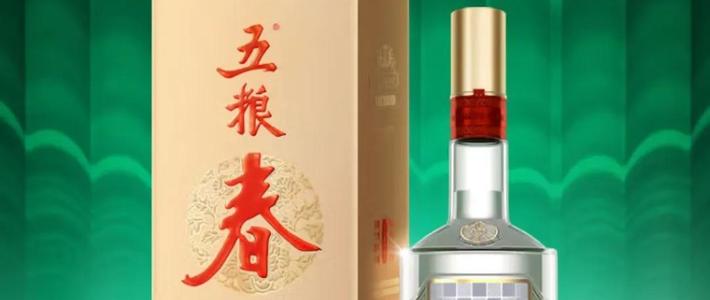
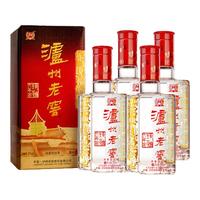
在重点企业布局与未来趋势层面,行业内代表性企业如五粮液、山西汾酒与泸州老窖,各自依托差异化的产品策略与产区禀赋构筑竞争优势。五粮液以浓香型高端白酒为核心,依托多品牌矩阵与全渠道布局巩固行业龙头地位;山西汾酒深耕清香型赛道,凭借全国化市场拓展与“抓两头带中间”的产品结构实现持续高速增长;泸州老窖则依托百年窖池资源优势,以“双品牌、三品系、大单品”战略持续强化浓香鼻祖的品牌价值。展望未来,中国酒类产业将沿着品质升级、品牌集中、场景细分与文化出海四大主线演进。消费分级与场景分化将推动产品从大众普适向圈层化、场景化方向进化;跨境渠道铺设与海外文化推广则为中国名优酒品出海开辟新的增长空间。在产业结构优化、消费持续升级与品牌价值重塑的多重作用下,行业长期发展空间依然广阔,在头部品牌引领下的结构性增长机会值得期待。
The alcoholic beverage industry serves as a core pillar sector in China's food consumption landscape, deeply integrated into residents' daily dining, business social interactions, and cultural consumption scenarios. It also functions as a vital vehicle for upgrading traditional consumer industries and promoting Chinese cultural values. Currently, the industry is undergoing a critical transition from quantitative expansion to structural optimization, shifting its development focus from extensive growth in production capacity and distribution channels to comprehensive improvements in brand value, quality representation, and scenario adaptability. From a macro perspective, both the national government and the industry have provided regulatory guidance for both the industry and consumers; the continuous refinement of national standards for baijiu production approvals and food safety has established a solid foundation for compliant industry development, while optimized consumption tax policies and ecological protection measures in production regions are driving the industry toward greater branding, efficiency, and quality. Economically, steady growth in per capita disposable income and ongoing upgrades in consumption patterns have created a robust purchasing power base for mid-to-high-end alcoholic products. Socially, generational shifts in consumption preferences, the normalization of banquets and business events, and the rise of China-fashion culture have collectively reshaped alcohol consumption patterns, fostering strong demand for high-quality, personalized, and context-specific beverages. Technologically, rapid advancements in digital brewing processes, smart supply chain systems, and omnichannel retail models are transforming the industry from traditional production and sales models to data-driven, precision-oriented operations. The competitive focus has shifted from mere channel expansion to brand culture building and end-to-end consumer engagement capabilities.
The latest "2026–2027 China Alcoholic Beverage Industry Development and Consumer Behavior Insights Report" released by iiMedia Research, a globally leading third-party data mining and analysis institution for new economic industries, shows that as of June 30, 2026, there were 1.4892 million alcohol-related enterprises in China. The regional distribution exhibits distinct clustering characteristics: Guangdong hosts over 190,000 alcohol enterprises, accounting for 13.4% of the national total, making it the core industrial hub; Shandong and Guizhou follow closely with approximately 136,000 and 94,500 enterprises, respectively. By 2025, the scale of China's new retail market for alcoholic beverages is projected to reach 174.0 billion yuan, with the baijiu market expected to hit 1,070.9 billion yuan by 2027, officially entering a trillion-yuan market. With a comprehensive domestic alcohol industry chain, sustained advantages in regional clusters, and the growing influence of local brands, China's alcohol exports have risen steadily from 4.31 billion yuan in 2021 to 9.162 billion yuan by 2025, while the international recognition of premium baijiu brands continues to improve.
In terms of consumer behavior and demand characteristics, among the liquor brands purchased by Chinese consumers in 2026, Tsingtao Beer accounted for the highest proportion at 31.13%, followed by Snow Beer at 28.39%, and China Jinjiu at 27.66%, ranking third. When selecting alcoholic products, the three most critical factors were taste/flavor (38.49%), raw materials/brewing process (34.07%), and nutritional health benefits (30.60%). Among the main issues identified by Chinese new retail consumers of alcoholic beverages in 2026, "price confusion, false labeling of original prices, and misleading promotions" accounted for the largest share at 30.97%; followed by "widespread counterfeit products and insufficient authenticity assurance" at 29.58%; and third was "severe product homogenization and a lack of distinctive features" at 28.33%. Analysts from iiMedia Research noted that user concerns regarding the new retail market for alcoholic beverages primarily focused on price opacity, counterfeit proliferation, and false advertising, each exceeding 27%, highlighting significant shortcomings in price integrity, authenticity assurance, and information transparency, which urgently require enhanced regulation and standardization.
In terms of key enterprise positioning and future trends, representative companies in the industry such as Wuliangye, Shanxi Fenjiu, and Luzhou Laojiao have each established competitive advantages through differentiated product strategies and regional endowments. Wuliangye focuses on premium strong-aroma baijiu, consolidating its industry leadership through a multi-brand portfolio and a comprehensive channel strategy; Shanxi Fenjiu specializes in light-aroma baijiu, achieving sustained rapid growth through nationwide market expansion and a product structure that targets both ends while driving growth in the middle segment; Luzhou Laojiao leverages its century-old fermentation cellars to continuously strengthen the brand value of being the pioneer of strong-aroma baijiu through its "dual brands, three product lines, and flagship products" strategy. Looking ahead, China's liquor industry will evolve along four main axes: quality enhancement, brand consolidation, scenario segmentation, and cultural globalization. Consumer stratification and scenario differentiation will drive products to evolve from mass-market offerings toward niche and context-specific products; cross-border channel development and overseas cultural promotion will open new growth avenues for China's premium liquor brands. Under the combined effects of industrial structure optimization, continuous consumption upgrading, and brand value repositioning, the industry still holds significant long-term growth potential, with structural growth opportunities led by leading brands being highly anticipated.

本报告设计企业/品牌/案例
五粮液、山西汾酒、泸州老窖
酒类行业定义

酒类行业分类

中国酒类市场相关规模数据
iiMedia Research(艾媒咨询)数据显示,2011-2027年中国白酒行业市场规模走势呈前期波动调整、后期持续攀升的特征。2011年行业规模为3746亿元,2016年达到阶段高点6126亿元,随后进入一轮周期调整。自2021年起行业重回上行通道,增长速度持续加快,预计2027年将达到10709亿元,正式迈入万亿市场。白酒行业具备社交、礼赠与收藏的多重属性,商务宴请、节庆消费与品牌价值升级,是本轮增长的核心驱动力。行业集中度不断提升,头部名酒凭借品牌底蕴与渠道优势稳固高端市场,区域名酒深耕本土大众市场。长期来看,高端化、品牌化、文化将成为行业主流发展方向,具备核心品牌力的企业将持续享受行业扩容红利。

中国酒类行业主要出口目的地
数据显示,2025年中国酒类主要出口地区前三名分别为中国香港、中国澳门、新加坡,三个地区出口总额合计占全国酒类出口总规模的49.20%。艾媒咨询分析师认为,地缘区位优势与饮食文化同源性是核心支撑,反映出当前中国酒类出海仍以华人集聚市场为主,对欧美等远端市场的渗透仍具备较大拓展空间。

中国酒类市场主体数量规模
iiMedia Research(艾媒咨询)数据显示,截至2026年6月30日,中国现存酒类相关企业148.92万家。区域分布呈现明显集聚特征,广东坐拥超19万家酒类企业,占全国总量的13.4%,是核心产业承载地;山东、贵州紧随其后,相关企业分别约13.6万家、9.45万家。艾媒咨询分析师认为,中国酒类相关企业区域集聚特征鲜明,广东依托庞大消费市场与商贸流通优势领跑全国,山东、贵州分别凭借完备产业基础与核心白酒产区优势位居前列。产业布局与地方消费实力、特色酒产区资源高度匹配,头部省(市)的集聚效应持续强化。

酒类行业板块市值TOP10企业
监测数据显示,贵州茅台季度平均市值17185.19亿元,五粮液3636.12亿元,山西汾酒1661.97亿元。艾媒咨询分析师认为,前三名企业市值合计占TOP10的86.18%,显示头部集中度高,茅台以领先地位主导行业。TOP10企业整体市值水平在145.49亿元至17185.19亿元间,以白酒为主,市场认可度显著分化,龙头企业超万亿彰显品牌溢价,而尾部小型企业不足200亿元。市值规模与企业行业地位高度关联,高端白酒如茅台、五粮液凭借强品牌护城河和稳定成长性支撑高估值。

2026年中国消费者在选择酒类产品时主要关注的因素
数据显示,在2026年中国消费者选择酒类产品时,最关注的三个因素分别是口感/风味(38.49%)、原料/酿造工艺(34.07%)和营养保健功能(30.60%)。这三个因素的关注度明显高于其他因素。艾媒咨询分析师认为,中国消费者在选择酒类产品时,口感/风味是最重要的因素,其次是原料/酿造工艺和营养保健功能。这表明消费者越来越注重酒的品质和功能,对价格、包装等因素的关注度相对较低。整体来看,消费者对酒类产品的选择更加理性和专业。

2026年中国酒类新零售用户认为酒类新零售市场的问题
数据显示,2026年中国酒类新零售用户认为市场主要存在的问题中,占比最高的是“价格混乱,虚标原价、虚假促销”,占比达到30.97%;其次是“假货泛滥,正品保障不足”,占比29.58%;第三位是“品质同质化严重,缺乏产品特色”,占比28.33%。艾媒咨询分析师认为,用户对酒类新零售市场存在的问题主要集中在价格不透明、假货泛滥和虚假宣传等方面,占比均超过27%,反映出酒类新零售市场在价格诚信、正品保障和信息透明度等方面存在较大问题,亟须加强监管和规范。

五粮液基本信息及发展历程

山西汾酒经营基本情况
根据2026年3月31日的累计数据,山西汾酒当期营收为149.23亿元,同比大幅下滑61.46%,创下近期最大降幅。营收规模虽仍具有一定体量,但增速显著恶化,凸显增长动能急速减弱。从季节性看,Q1通常是白酒消费旺季,但该季度出现如此剧烈下滑,除上年同期高基数效应外,更多反映渠道库存压力及终端动销疲软。业务结构高度集中于酒类销售(占比99.63%),虽凸显主业专注度,但也导致收入抗风险能力薄弱,一旦行业需求下行,缺乏多元缓冲。结合酒类行业当前面临消费降级、存量竞争加剧背景,汾酒作为次高端代表,其Q1营收骤降揭示出品牌溢价及市场渗透率面临严峻挑战,需关注未来季度能否通过控货稳价及渠道优化实现边际改善。

泸州老窖业务布局状况及产品详情
泸州老窖业务聚焦于白酒主业,形成了以“国窖1573”为高端引领、“泸州老窖”系列为中坚的品牌布局。根据2025年年报,公司持续推进“双品牌、三品系、大单品”战略,强化“浓香鼻祖”品牌优势,深化渠道数字化改革与消费者运营,覆盖高端、中端及大众市场,同时布局养生酒创新业务,并依托“MIP”平台拓展国际市场。