




































11
20
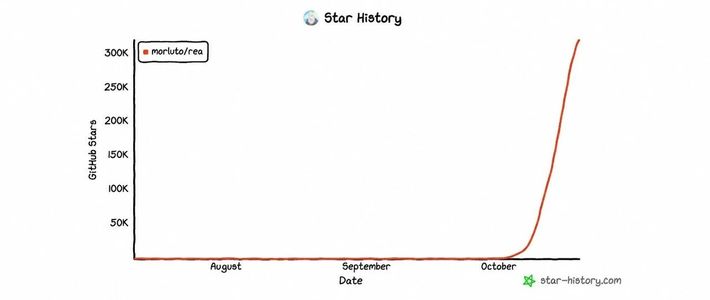
25.5k star!模型训练太慢?Unsloth让你的GPU速度提升30倍
2025-02-22 19:05:34
3点赞
3收藏
0评论
在日常AI开发工作中,我们经常遇到这些挑战:
Unsloth核心特性
革命性的性能优化
通过重新设计和手写GPU内核,Unsloth实现了对计算密集型数学步骤的深度优化,在不需要更换任何硬件的情况下就能让模型训练速度最高提升30倍,同时还能最高降低90%的内存占用,这种优化让普通开发者也能负担得起LLM模型的训练成本。
• 独特内核重写技术,训练速度最高提升30倍
• 显存占用最高减少90%,同样配置训练更大模型
• 支持Llama、Mistral等主流模型一键加速
 图片
图片 cute sloth on top of a 3d graphics card
智能训练框架
Unsloth提供了完整的LoRA和QLoRA微调支持,通过优化的训练策略和智能参数调整,不仅能显著提升训练速度,还能在准确度上获得30%的提升,让模型训练事半功倍。
• 完整支持LoRA和QLoRA技术
• 自动优化训练参数和学习路径
• 内置显存回收和梯度检查点机制
 cute cat happy being surrounded by 3d code, objects and geometric blocks
资源友好设计
得益于创新的内存管理策略和优化的计算方法,Unsloth能在普通的消费级GPU上运行大型语言模型的微调,将原本需要30天的训练时间压缩到24小时内完成,极大地降低了AI开发的门槛。
• 无缝对接HuggingFace生态
• 兼容主流训练框架和工具链
• 最小化的代码改动实现提速
使用指南
安装配置
# 使用pip安装
pip install unsloth[cu118]  # CUDA 11.8
pip install unsloth[cu121]  # CUDA 12.1

# 或者从源码安装
git clone https://github.com/unslothai/unsloth
cd unsloth
pip install -e .
基础使用
from unsloth import FastLanguageModel
import torch

# 加载预训练模型
model, tokenizer = FastLanguageModel.from_pretrained(
    "mistralai/Mistral-7B-v0.1",
    max_seq_length=2048,
    dtype=torch.bfloat16,
    load_in_4bit=True,
)

# 配置训练参数
trainer = FastLanguageModel.get_trainer(
    model=model,
    train_dataset=dataset,
    max_steps=1000,
    learning_rate=2e-4,
)

# 开始训练
trainer.train()
进阶配置
# 使用LoRA微调
config = LoraConfig(
    r=8,
    lora_alpha=32,
    target_modules=["q_proj", "v_proj"],
    lora_dropout=0.05,
)

# 启用混合精度训练
trainer = FastLanguageModel.get_trainer(
    model=model,
    fp16=True,
    gradient_checkpointing=True,
    gradient_accumulation_steps=4,
)
写在最后
Unsloth的出现彻底改变了LLM模型训练的游戏规则。它不仅解决了训练速度慢、资源消耗大的问题,还通过优化的训练策略提升了模型效果。对于想要快速验证想法或者预算有限的团队来说,Unsloth无疑是最好的选择。
从此以后,LLM模型训练不再是大公司的专利,每个开发者都能轻松地训练自己的AI模型。期待Unsloth能在未来带来更多创新,让AI开发变得更加平民化。
作者声明本文无利益相关,欢迎值友理性交流,和谐讨论~